During exercise, the body utilizes a variety of energy sources to meet the increased energy demands. The specific utilization of energy sources can vary depending on factors such as exercise intensity, duration, and individual fitness level. Here’s a breakdown of how different energy sources are differentially used during exercise:
ATP (Adenosine Triphosphate): ATP is the primary source of energy for muscle contractions. It is stored in limited quantities within the muscles and is rapidly used during short bursts of high-intensity exercise. The body can generate ATP through different metabolic pathways, including the phosphocreatine system, glycolysis, and oxidative phosphorylation.
Creatine: Creatine phosphate, stored in muscles, serves as a quick energy source for immediate ATP production. During short-duration, high-intensity exercises, such as weightlifting or sprinting, creatine phosphate rapidly donates its phosphate group to ADP (adenosine diphosphate), forming ATP.
Glycogen: Glycogen is the storage form of glucose in muscle and liver tissues. It serves as an essential energy source during moderate to high-intensity exercise. Glycogen stored in the muscles can be broken down through glycolysis to produce ATP. The liver can also release glucose from glycogen into the bloodstream to maintain blood glucose levels during prolonged exercise.
Glucose: Glucose is a simple sugar derived from dietary carbohydrates or glycogen breakdown. It circulates in the bloodstream and is taken up by working muscles to be used as an energy source. Glucose can be metabolized through glycolysis to produce ATP, providing energy during moderate to high-intensity exercise.
Ketone Bodies: Ketone bodies, such as beta-hydroxybutyrate and acetoacetate, are produced by the liver during periods of prolonged fasting, low carbohydrate intake, or ketogenic diets. During exercise, the utilization of ketone bodies as an energy source becomes more prominent, especially during longer-duration, low-to-moderate intensity activities. However, the reliance on ketone bodies for energy may vary depending on an individual’s metabolic state and adaptation to utilizing fats for fuel.
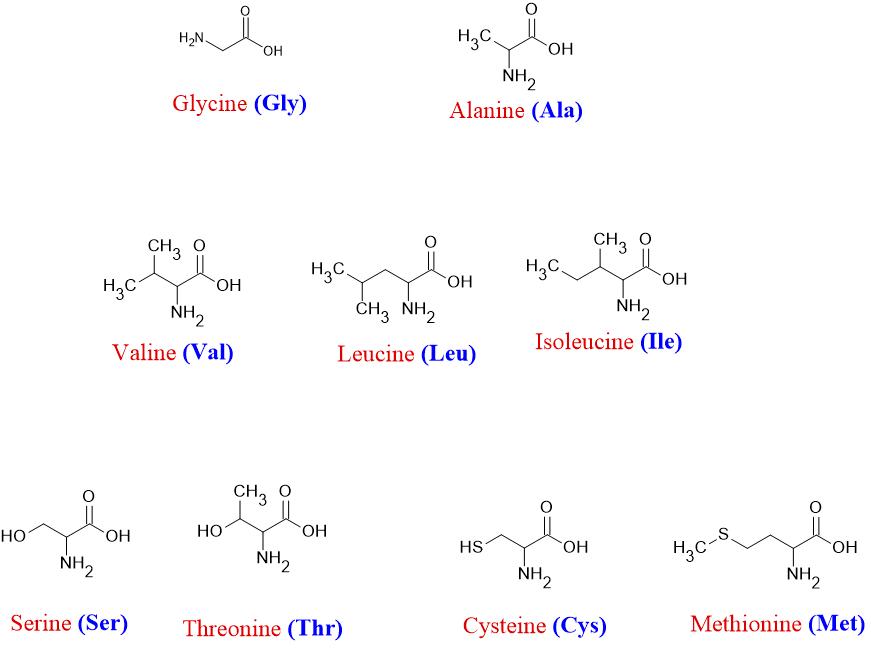
Branched-Chain Amino Acids (BCAAs): BCAAs, including leucine, isoleucine, and valine, are essential amino acids that can be metabolized by muscles during exercise. They can serve as a minor source of energy during endurance exercise, particularly when glycogen stores become depleted. BCAAs can be oxidized within the muscles to produce ATP, helping to spare muscle glycogen.
Fatty Acids: Fatty acids are the main fuel source during low-to-moderate intensity and longer-duration exercises. Adipose tissue releases stored triglycerides, which are broken down into fatty acids and transported to the muscles for oxidation. Fatty acids undergo beta-oxidation in the mitochondria, generating ATP. However, high-intensity exercise relies more on carbohydrates and glycogen as a primary energy source, and fatty acid utilization decreases accordingly.
It’s important to note that the body dynamically shifts its reliance on different energy sources based on exercise duration, intensity, and individual factors. The interplay between these energy sources allows the body to meet the energy demands of various types of exercise.
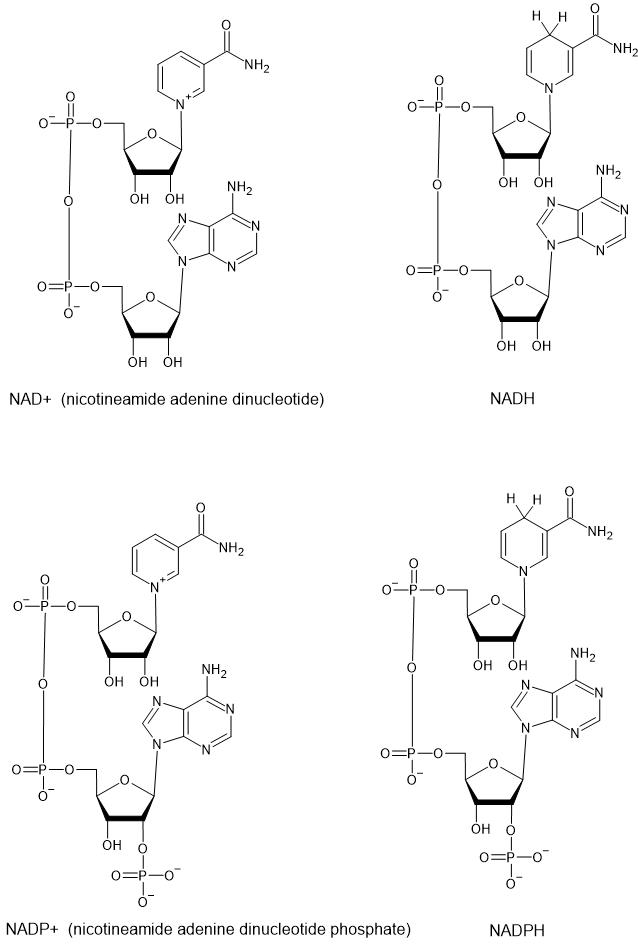
Protein Engineering for Nicotinamide Coenzyme Specificity in Oxidoreductases: Attempts and Challenges. Andrea M. Chánique1 and Loreto P. Parra Front Microbiol. 2018; 9: 194. Published online 2018 Feb 14. doi: 10.3389/fmicb.2018.00194Different structural motifs enable the union of the coenzyme and give the specificity for NAD or NADP. Usually, enzymes preferring NADP have larger pockets with positively charged or hydrogen bond donating residues that interact with the phosphate group of the adenine ribose (Pick et al., 2014). NAD preferring enzymes contain negatively charged amino acids that generate repulsion toward NADP and form hydrogen bonds to the 2′-OH and 3′-OH of the adenine ribose (Petschacher et al., 2014).
Better than Nature: Nicotinamide Biomimetics That Outperform Natural Coenzymes. J Am Chem Soc. 2016 Jan 27; 138(3): 1033–1039. Published online 2016 Jan 3. doi: 10.1021/jacs.5b12252 Oxidoreductases, for example, rely on the nicotinamide coenzymes to supply them with the redox equivalents required to sustain their catalytic cycles. Two forms of natural coenzymes exist: the phosphorylated (NADP+/NADPH) and nonphosphorylated (NAD+/NADH) forms (FigureFigure11A). Nicotinamide coenzymes essentially contain two structural motifs, the nicotinamide moiety conferring their electrochemical function (i.e., serving as an electron source or sink in the form of a hydride) and the adenosine dinucleotide moiety conferring the separation between anabolic and catabolic pathways. NADP is involved in anabolic redox processes, whereas NAD is mostly found in processes dealing with energy metabolism.
intubate 挿管する :To insert a tube into the trachea for ventilation 名詞:気管挿管(Intubation)
extubate 抜管する: To remove a tube from the trachea after artificial ventilation
Metabolomics of Major Depressive Disorder: A Systematic Review of Clinical Studies Cureus. 2022 Mar; 14(3): e23009. Published online 2022 Mar 9. doi: 10.7759/cureus.23009
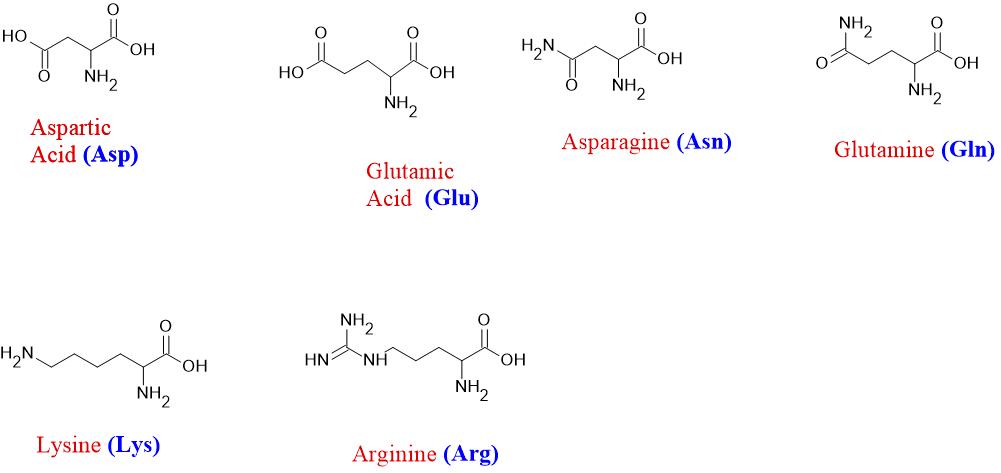
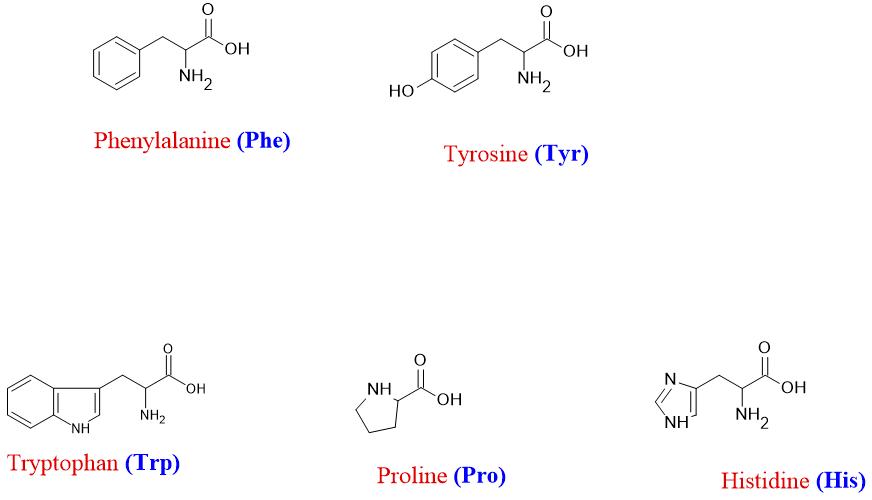
Plasma metabolome analysis of patients with major depressive disorderPubMEDPsychiatry Clin Neurosci . 2018 May;72(5):349-361. doi: 10.1111/pcn.12638. Epub 2018 Mar 3. Phosphoethanolamine, Taurine, Aspartic acid, Tyrosine, Methionine, Asparagine, Glycerophosphocholine, Hypotaurine, ATP, ADP, Histidine, Lysine, ADMA, Phenylalanine, 2-Aminnoadipic acid.
Plasma metabolome analysis of patients with major depressive disorder Psychiatry and Clinical Neurosciences 2018; 72: 349–361doi:10.1111/pcn.12638
“こころ”を理解する近道としての脳内物質への関心からその探求に挑む。 2014年に、ニワトリの視床下部漏斗部からNPGL(=Neurosecretory protein GL)と命名した小タンパク質をコードしている前駆体遺伝子を発見 『マウスにおいて、NPGLが食欲調節に関与する』、『ラットでは、NPGLが飢餓時や血中のインスリン濃度が低いときに発現が上昇し、高カロリー食下では過食と脂肪合成を促し肥満を引き起こす』